Building Legacy from Tragedy: How Grenfell Athletic Became Everyone's Second Favorite Team
Frederik Hvillum
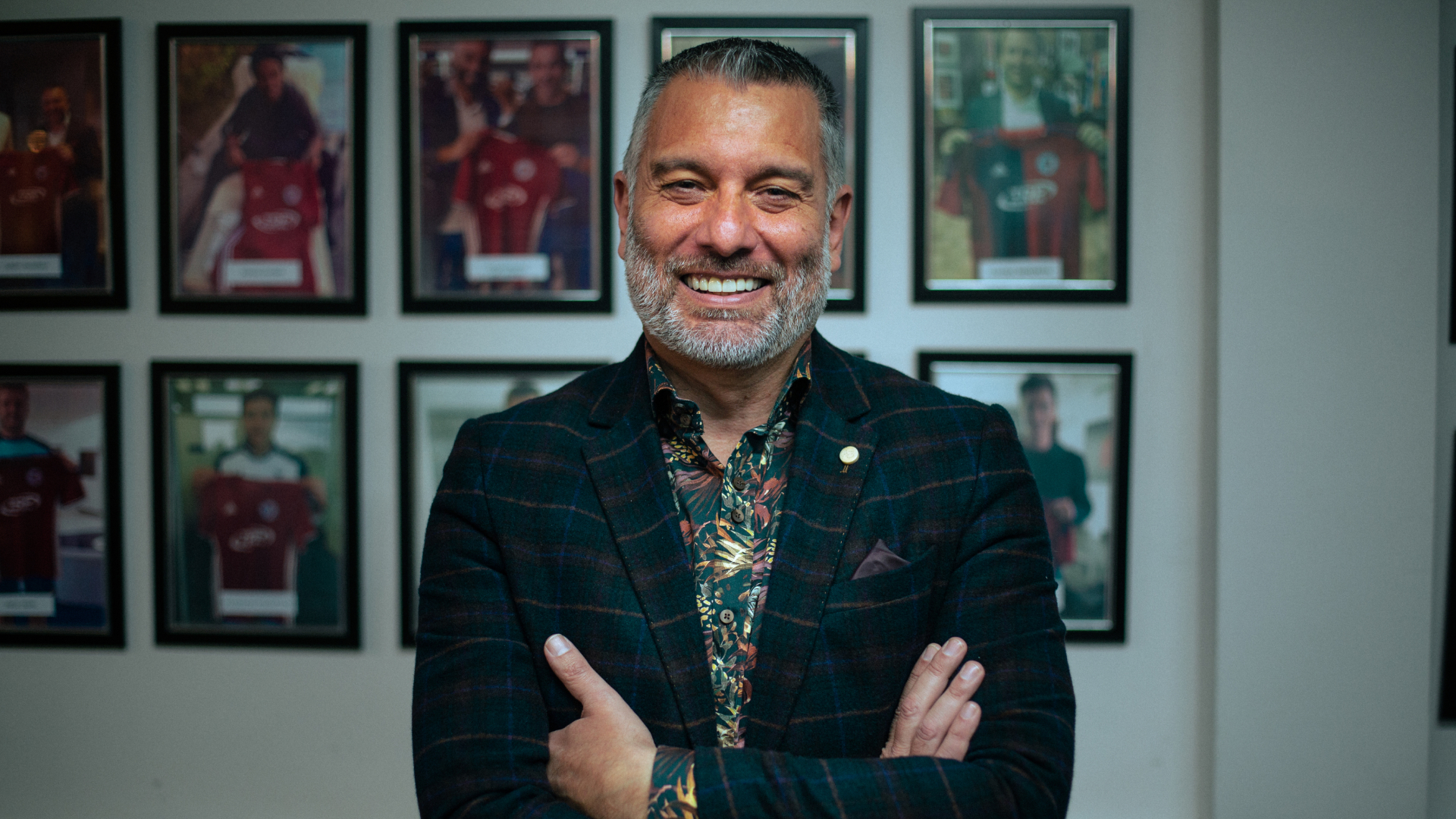
In the shadow of one of Britain's worst modern tragedies, Rupert Taylor created something unprecedented. A football club that honors 72 lives lost while proving that sport's greatest power lies in its ability to unite, heal, and build something that will outlast us all.
Three roads away from Grenfell Tower, Rupert Taylor grew up playing football on the green pitches beneath what would become one of London's most haunting landmarks. On June 14, 2017, when fire tore through the 24-story tower claiming 72 lives, Taylor was working at a local youth service that engaged with 1,200 children weekly. His organization became the first to open its doors to survivors and residents.
Among those who walked through the door was a young man, quiet and reserved. After Taylor befriended him, the young man revealed he had lost both parents as a teenager, not in the tower but months apart. When Taylor asked what had helped him through such a devastating period, the answer was simple: football.
"I just said, 'Right, we'll set up a football team then,'" Taylor recalls.
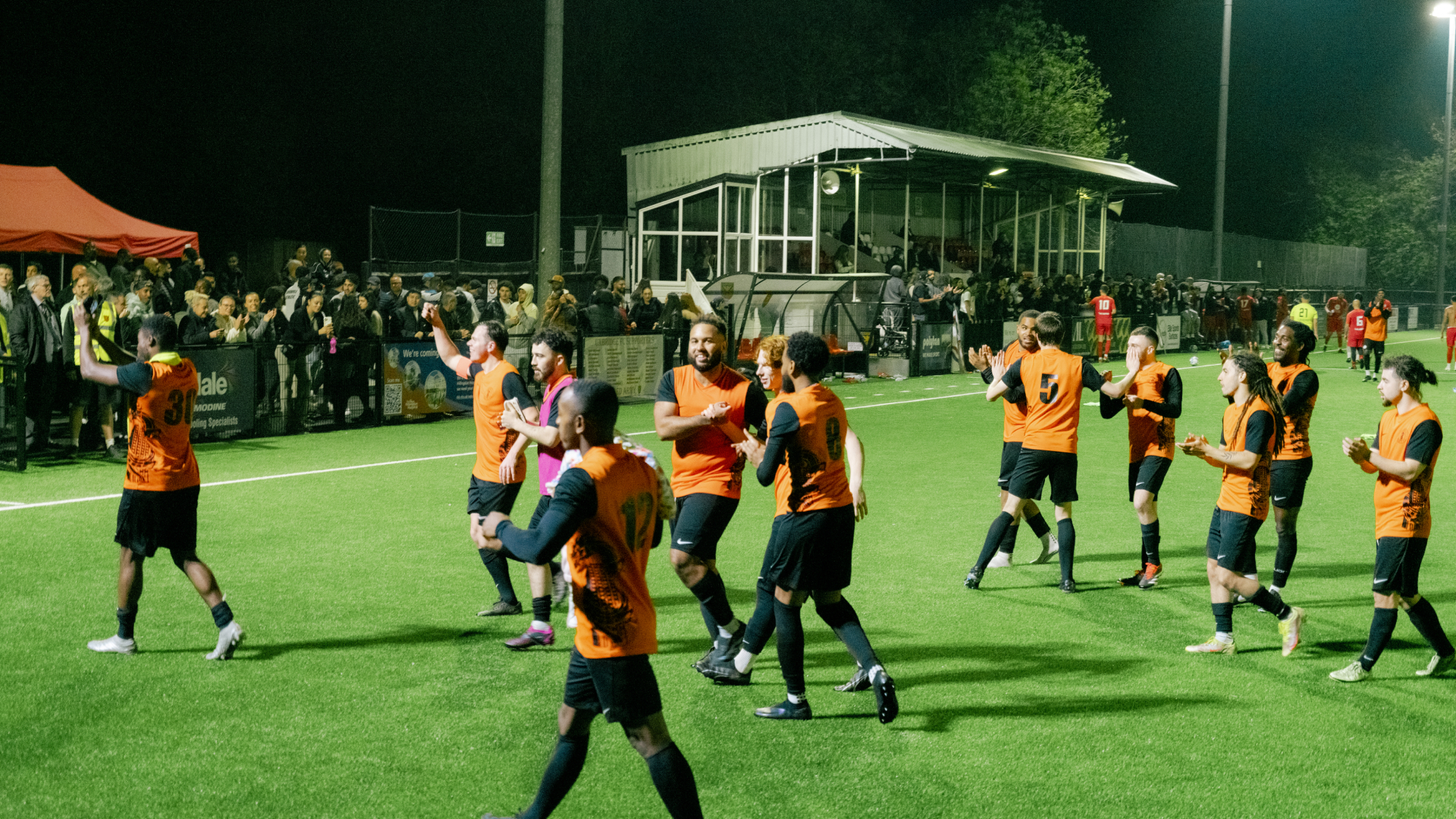
That conversation became the foundation of Grenfell Athletic FC, a club that has since grown into an official charity with multiple teams, including recently launched women's and girls' sections, competing in London's league system while maintaining an unwavering commitment to community support.
The Universal Language of Football
For Taylor, football represents something unique among sports. With over 20 years of youth work experience in one of London's most diverse communities, he understands the power of the game to transcend cultural barriers.
"I don't know a sport where you can go to a park or a beach or a concrete cage in the middle of the estate and just start playing," Taylor explains. "You can carry a ball, not know the language of the natives or the people in that country, and throw a ball down on any terrain and people want to kick, people want to play."
The area surrounding Grenfell Tower exemplifies London's cosmopolitan nature. Caribbean, East African, North African, Moroccan, Kurdish, and Asian communities all call the area home. When the fire happened, there were fears that division would follow tragedy. Grenfell Athletic was deliberately designed to combat this through sport.
"If you had a set of one culture, one race, one religion, it may be hard for people to embark on the journey because they can't see themselves in the teams," Taylor says. "But with our teams, it's so diverse, so multicultural, and it reflects our community the way it should."
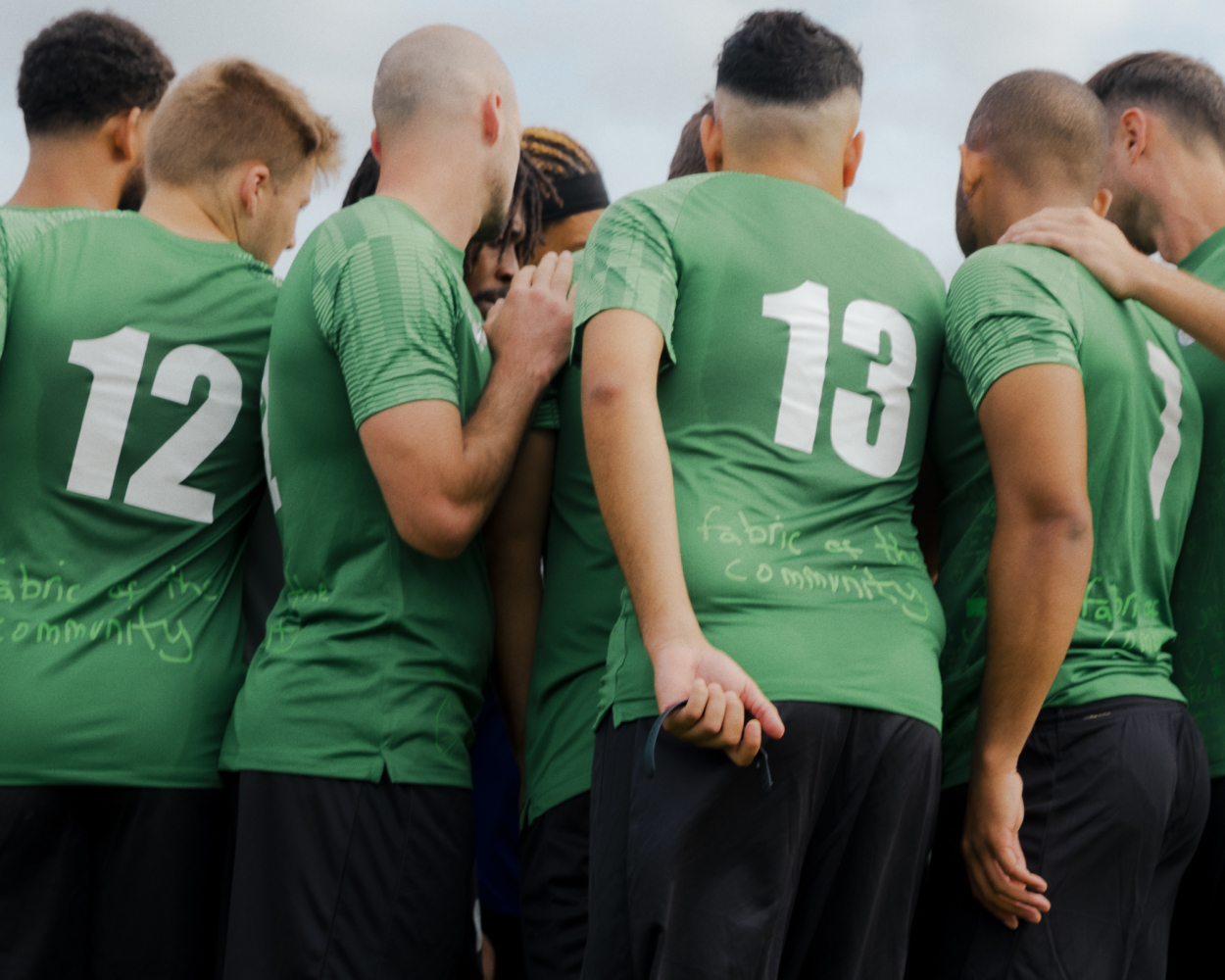
This diversity creates something powerful: a club where supporting your local team doesn't conflict with supporting a Premier League giant.
"Grenfell Athletic is a gateway to destroy tribalism in football. You can support Liverpool, which I do, and still support Grenfell Athletic. We say Grenfell Athletic is everyone's second favorite team. Because if it isn't yet, it will be."
The Weight of Responsibility
Starting a football club named after one of Britain's worst modern tragedies adds layers of complexity that few could navigate. Taylor's deep roots in the community proved essential.
"I've been doing work in the community for 24 years now," he explains. "When Grenfell happened, if anybody else tried to do this, I'm not sure if they could because members of the community may have rejected them."
Even with his credentials, Taylor faced questions about the club's name. His response draws on 16 years of community service predating the tragedy. "I haven't just only now decided to work with people within the community. I've chosen to support people in the community as a career."
Managing this balance requires selecting teams with awareness that players may be processing trauma at different stages. Some are survivors. Some are bereaved. All are part of a community still healing.
Building Something That Outlasts Its Founder
What distinguishes Grenfell Athletic from many grassroots clubs is its approach to legacy. Many adult teams in London begin as groups of friends wanting to play football together, existing only as long as that core group remains committed.
Taylor views Grenfell Athletic differently. "I recognize that Grenfell Athletic is everybody's. At some point the baton will be passed on. I'll still be the founder, but one day I'll die," he says with characteristic directness. "Grenfell Athletic will be alive long after I'm gone."
This long-term vision shapes every decision. While others have suggested pursuing YouTube content or accelerating growth, Taylor remains focused on sustainable development. "We are slowly, organically building. You do too much too soon and you can implode. We have to take things in stages."
This measured approach extends to media coverage. The club started playing in 2017. The first newspaper story didn't appear until 2020. "That was because the players weren't quite ready. Certain stages of grief needed to take place before we could be targeted and looked at and questioned."
When TNT Sport and Warner Bros. approached about creating a documentary called "Beacon of Hope" (available on Discovery Plus), the timing felt right. "This documentary has left people wanting to know more," Taylor notes. "People should want to be a part of the journey."
Keeping Integrity in a Commercial World
Working with brands while maintaining integrity requires constant vigilance. Taylor has turned down partnerships that didn't align with the club's values, while embracing those that do.
"I've had to say thank you, but no thank you," he explains. "I look at the players and find it easy to make decisions based on if I know it will benefit and support them or not."
This protective approach reflects understanding that Grenfell Athletic represents more than just the players on the pitch. It represents 72 lives lost, thousands affected, and children who were too young to understand what happened but are now teenagers coming to terms with their trauma.
Despite considerable media attention, Taylor maintains no personal social media presence. "Some of the places that I've been to, some of the things that I've seen and done, I could post my life," he reflects. "But if I go off script and make it all about me, then that would be losing sight of what’s most important. There has to be that element of selflessness, giving oneself to a cause that's higher than yourself."
Beyond Football
While football remains the club's core, Grenfell Athletic's charity status enables broader community support. The club's impact extends far beyond match days, reaching into the lives of young people who may never kick a ball competitively.
Recent initiatives include Urban Romantic, a program for 14-16 year old girls focusing on healthy relationships with peers, family, and themselves. The program addresses everything from understanding what healthy relationships look like to build self-confidence and communication skills. Taylor is now working to expand this to young men, recognizing that both genders need safe spaces to discuss these crucial topics.

Future plans include school-based support programs, leveraging Taylor's 24 years of youth work experience to reach children where they are. "I've got programs, I've got ideas, but I'm just one person," he explains. "I could go and deliver that, but then something else is being missed. I've got to be mindful that I'm one person that does the operational side."
The club also participates in charity matches beyond their regular fixtures. A recent match honored Courtney, a 19-year-old who passed away from a brain tumor. For two years, Grenfell Athletic has supported her family's efforts to raise funds for the Royal Marsden hospital. The resulting Tiffany-blue kits, Courtney's favorite color, featured her name and the message "forever in our hearts."
These gestures aren't publicity stunts but reflections of the club's fundamental values. "We're a powerful force for good," Taylor says simply.
The Vision: Premier League Dreams
When asked about success, Taylor doesn't hesitate: "Get into the Premier League."
"I really, really honestly believe that Grenfell Athletic will get into the Premier League," he says. "They're going to have to make some room for us in London, aren't they? We're not going anywhere."
The path begins with immediate, practical steps. "The first step is to start by owning our own pitch, our own stadium."
Beyond the men's team, Taylor envisions the women's section competing in the WSL. Both teams representing Grenfell in the top flight of English football. For Taylor, these aren't fantasies but milestones on a carefully planned journey that acknowledges the club must grow at the right pace, always keeping the community at its heart.
A Legacy Built to Last
Most Saturday and Sunday league clubs exist for as long as their founding members remain committed. Grenfell Athletic operates on a different timeline entirely. The club exists to honor 72 lives while building something that will serve the community for generations to come.
tl"There are multiple families. There are thousands that have been affected. I've also got to always keep that in my mind and manage growth based on that."
This awareness shapes every decision. When others push for faster growth, Taylor holds steady. When opportunities arise that don't align with the club's values, he walks away. When the media comes calling, he ensures the timing serves the community rather than external interests.
The result is a club that truly belongs to everyone. A club that destroyed tribalism by creating space for all supporters. A club that reflects London's beautiful diversity.
"Football has a power unlike any other sport," Taylor concludes. "You do not need to speak the language to understand what to do with it once it hits the turf. Grenfell Athletic is that and more. We're a part of football, and we're a gateway to destroy tribalism in football."
From three roads away from tragedy to everyone's second favorite team, Grenfell Athletic proves that football's greatest achievements aren't always measured in trophies or league positions. Sometimes they're measured in lives touched, communities united, and legacies built to outlast us all.